The printing industy is simultaneously a historic and well-established market as well as an industry going through a dramatic transformation. While the demand for printed products, whether for commercial applications like books, direct mailing or label and packaging converting, is growing, demand is fragmenting with more consumer demand for personalised or specialty products and driving greater competition
This demand is primed to be met by digital inkjet for the printing sector, with new technological developments that can balance the quality expectations consumers and clients have come to expect, with the agility to print what is needed as needed to avoid costly waste. All this, with ongoing and rapidly developing advances in automation enabling businesses to support the additional complexity of additional short-run jobs without additional costs.
However, many printers are still wary about adopting inkjet printing presses and the sector is still coming to grips with the nuances of inkjet technology, which has rapidly advanced in the last decade, and how these advances can support businesses.
To ensure the print businesses remains at the cutting-edge of the international market, there must be a thorough understanding of how far inkjet technology has come, what it is capable of now, and to join the conversations about where these exciting innovations may lead.
The Important Thing to Know About Digital Inkjet for the Printing Sector?
The most persistent myth is that inkjet should always be a complete replacement for offset. In reality, the most effective approach is to deploy both as complementary solutions as needed, with digital suited for the growing share of highly-personalised or short run work and existing offset supporting predictable high-volume print jobs.
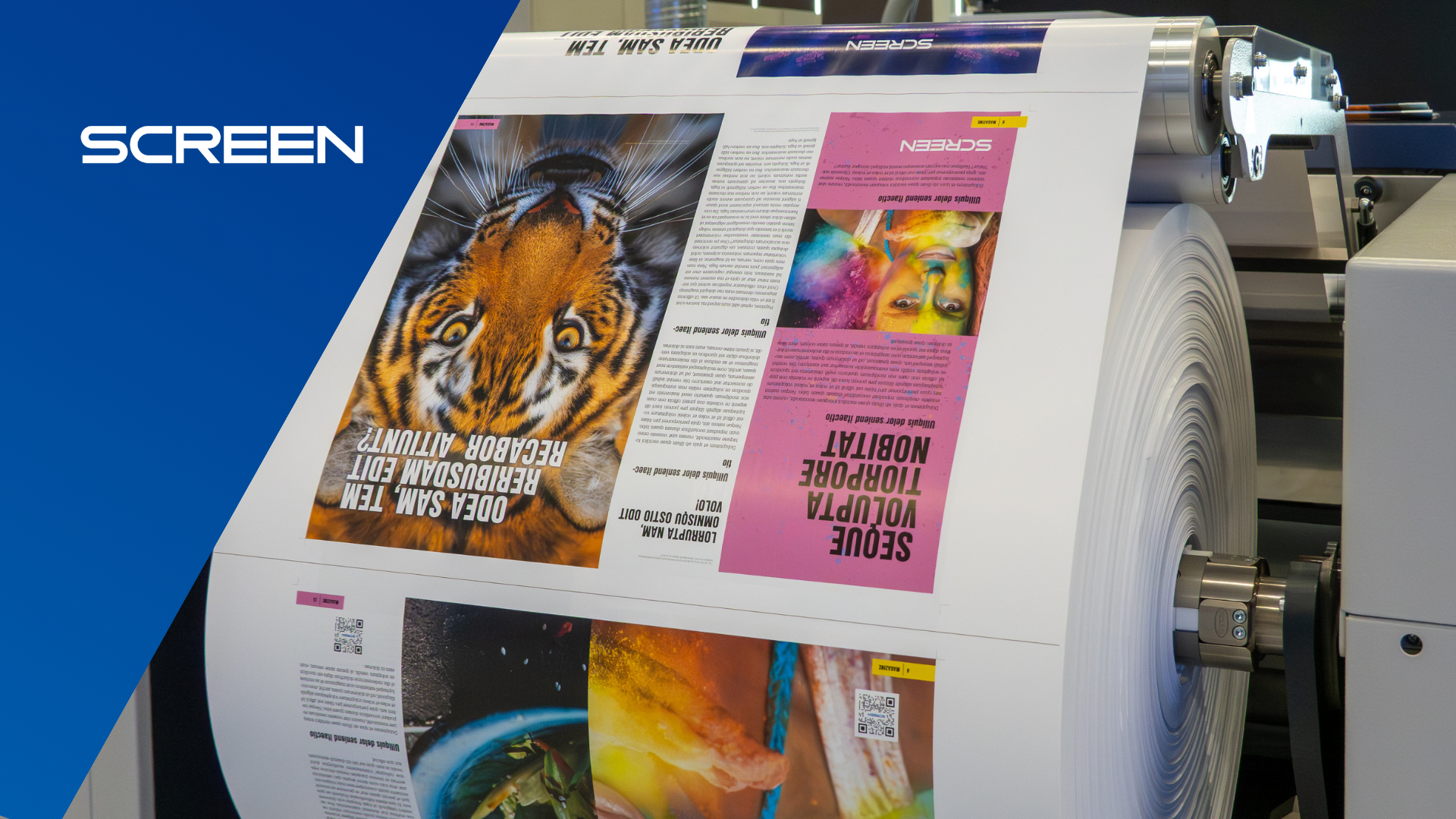
There are also lingering perceptions that inkjet printing quality is a compromise or that substrate choice is narrow, and while both were fair criticisms a decade ago, solutions like SCREEN’s Truepress JET high-speed inkjet presses use advanced ink sets, high dpi inkheads, or and the unique capability to print directly on offset coated stocks have largely closed that gap. To the end-user, the final output is indistinguishable. Where printing businesses can innovate is how cost-effectively they can supply their applications, not in the applications themselves.
What are the Most Impactful Developments in Inkjet Technology
Regarding how to supply the printed products end-users expect, the core technology of printing quality and production speed has largely matured. And while both capabilities will keep improving incrementally, real meaningful gains will be made in automation.
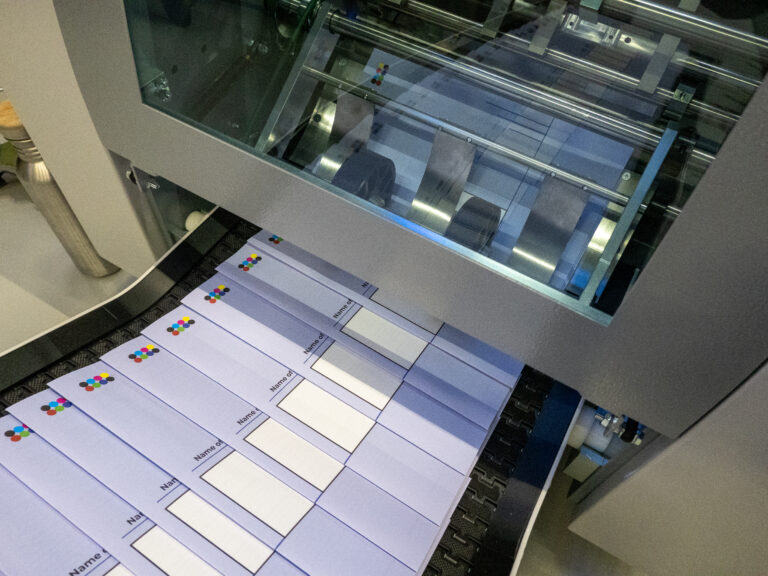
The bottlenecks in digital print production now are in job setup: file imposition, colour management, finishing configuration. SCREEN’s digital printing technology development, through its own in-house proprietary workflow management software EQUIOS, is increasingly focused on shifting the repetitive time-consuming tasks away from operators, freeing them to focus on work that really requires their expertise or beginning the next printing job. At some of their partners, it’s a common sight to see a single operator handle three to four inkjet lines at once.
This push for innovation in automation technology perfectly aligns with both market forces of the growing yet fragmenting supply of printing jobs and the dwindling availability of skilled labour. The capability to not only cost-effectively support short run printing work and doing so in a highly smooth and streamlined manner with minimal operator input or human error will be critical to accelerate production without additional complexity.
Why Are Partnerships Important for Success with Digital Inkjet for the Printing Sector?
When people ask me about what digital adoption of inkjet looks like in practice, I wish more were curious about what month six looks like rather than what day one does. That is where a successful investment can be truly measured. Expecting everything to up and running perfectly right away, or for there to be no issues half a year later are equally unrealistic.
Real, mutual success for both the inkjet press supplier and the printing business is built on a long-term partnership. Whether that’s sharing updates and the newest technological improvements or rectifying unexpected problems quickly and decisively.
Bluetree Group, a longtime SCREEN inkjet user recently invested in the first Truepress JET 560HDX, their latest high-speed inkjet press, in the UK for its Route 1 Print trade operation. The installation required extensive work with to ensure the entire workflow was ready to handle the high number of short-run commercial jobs that motivated their investment.
The new press has proven to be a major success thanks to the hard work to develop new solutions integrating this new printing platform and their existing solutions. All this was only possible through the close professional relationship built over many years of collaboration, showing how the right printing technology is only one half of a successful digital printing transformation.