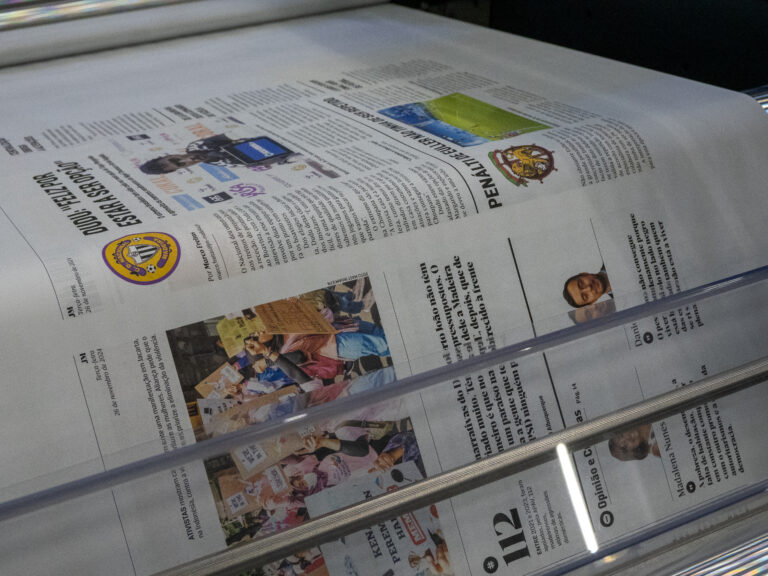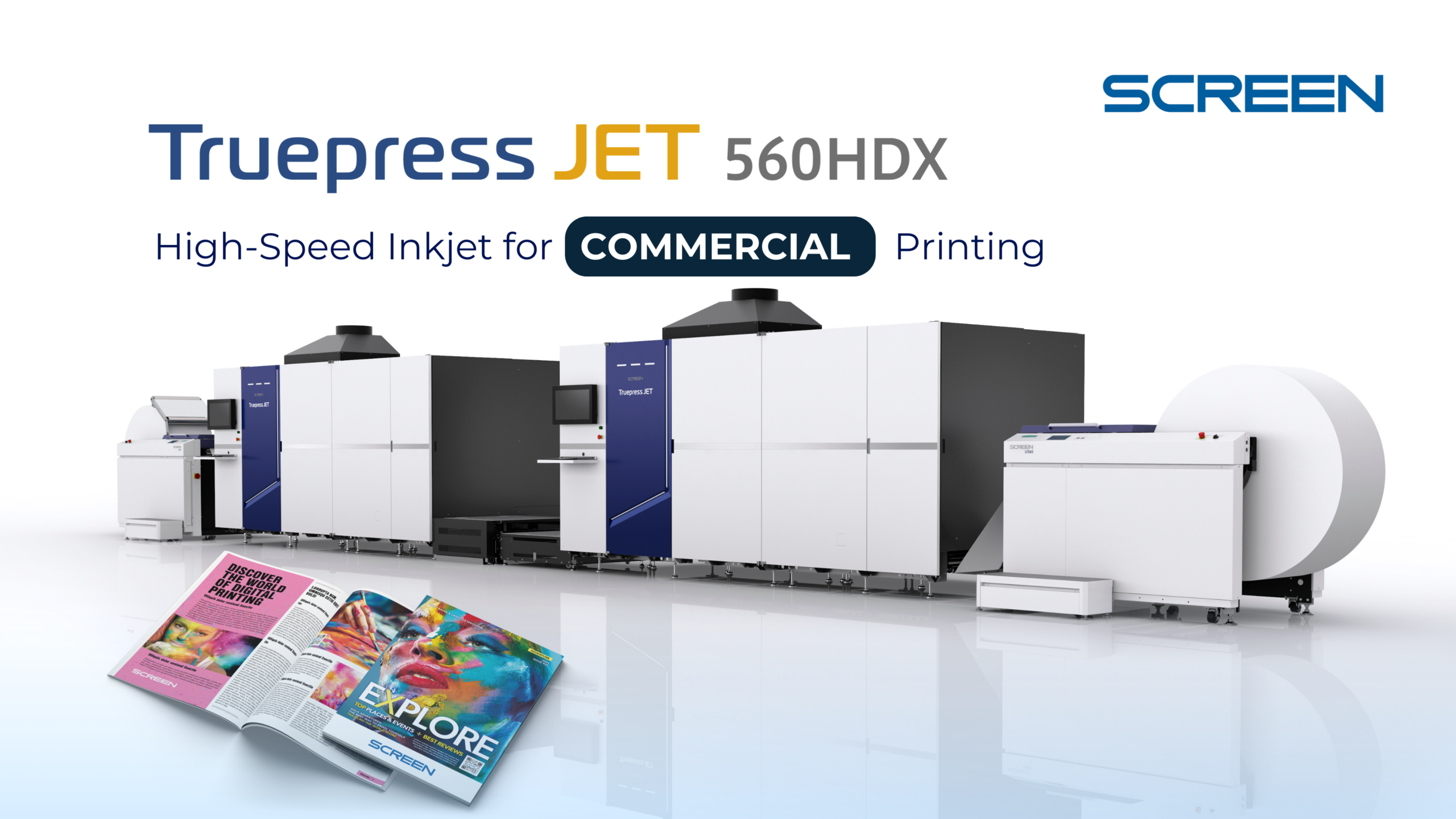
A continuous inkjet (CIJ) printer in production printing is an industrial digital press designed to print onto a continuously moving substrate, typically supplied from a roll rather than individual sheets. These systems support sustained, high-speed output by transporting paper or other materials through the press without interruption, enabling stable image placement and predictable productivity over long production runs.
How Do Continuous Inkjet Printers Operate in Industrial Environments?
In modern production environments, continuous inkjet printers are defined by how the substrate moves through the press. Rather than printing intermittently onto separate cut sheets, the material is unwound and conveyed through the imaging engine at a constant speed. This architecture reduces mechanical stops and starts, allowing the press to maintain consistent tension across the web while printing at speeds that may exceed 150 metres per minute in industrial roll-fed platforms.
Continuous transport also improves dimensional stability during printing. Because the substrate remains under controlled tension throughout the process, factors such as humidity, static electricity, or mechanical handling introduce are reduced. These conditions directly affect registration accuracy and droplet placement, which become critical when working at native printhead resolutions such as 600 dpi or 1200 × 1200 dpi commonly found in production-scale inkjet systems.
What Distinguishes Continuous Feed Inkjet Printing from Other Digital Methods?
In industrial production, continuous inkjet printing typically refers to continuous feed or roll-fed digital inkjet presses that rely on Drop-on-Demand imaging, and not a continuously flowing ink.
This differs from certain coding and marking technologies where ink is continuously emitted and excess droplets are deflected and recaptured. Production printers using continuous substrate feeding systems instead eject ink droplets only when required, based on image data processed through the print workflow.
These capabilities allow continuous feed inkjet presses to maintain consistent image registration across various run lengths, process variable data jobs without mechanical changeovers, and support automated end-to-end production environments.